Find The Best Place
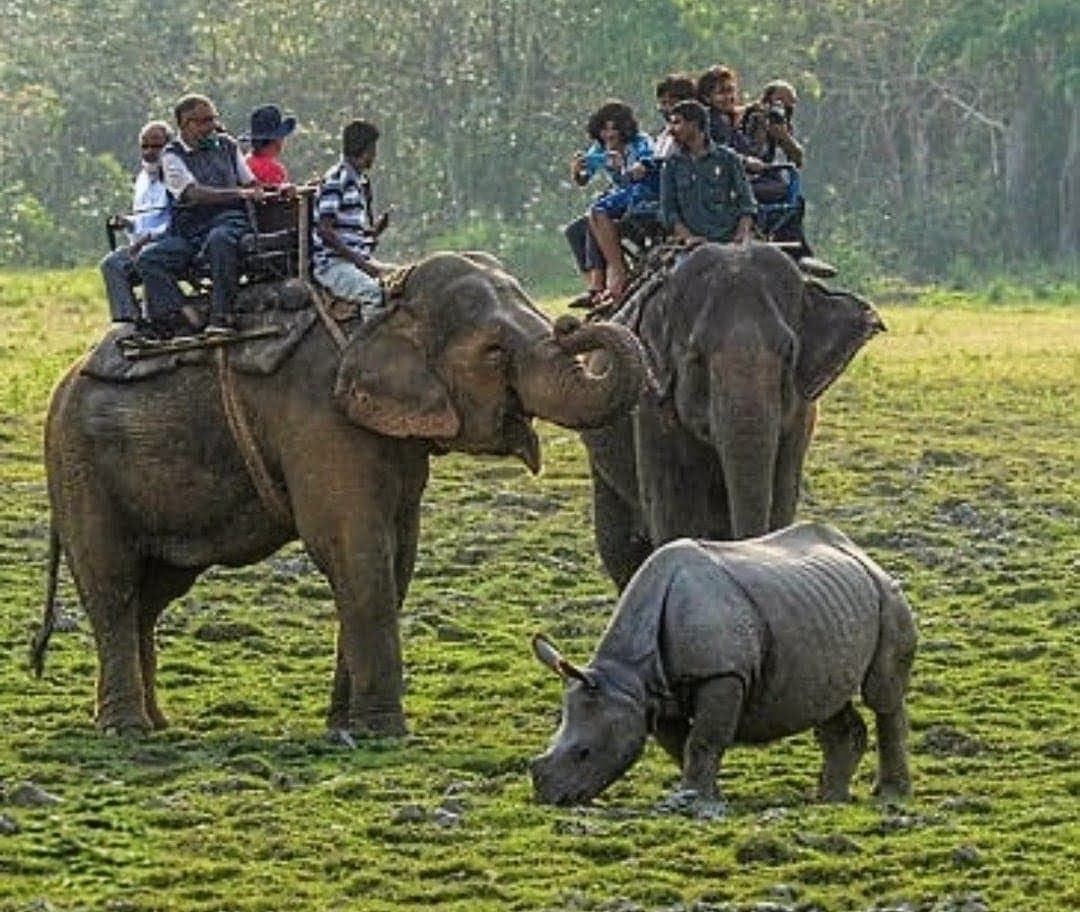
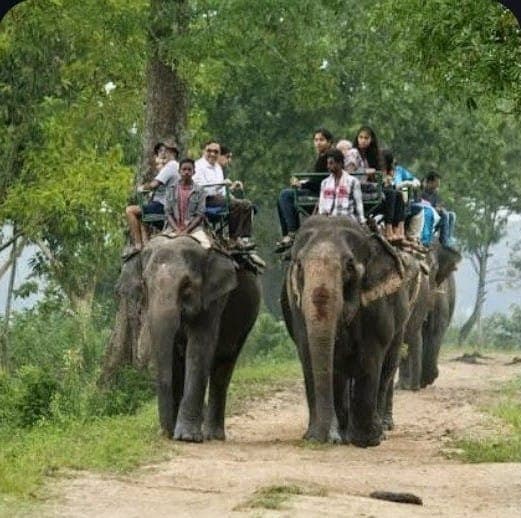
Kaziranga Elephant Safari Booking Price
| Safari Zones | Price for Indian | Price for Foreign Nationals | Duration |
|---|---|---|---|
| Kohora (Central) Range | N/A | 3400 / Person | 1 hour |
| Bagori (Western) Range | 2100 / Person | N/A | 1 hour |
| Agaratoli (Eastern) Range | N/A | N/A | N/A |
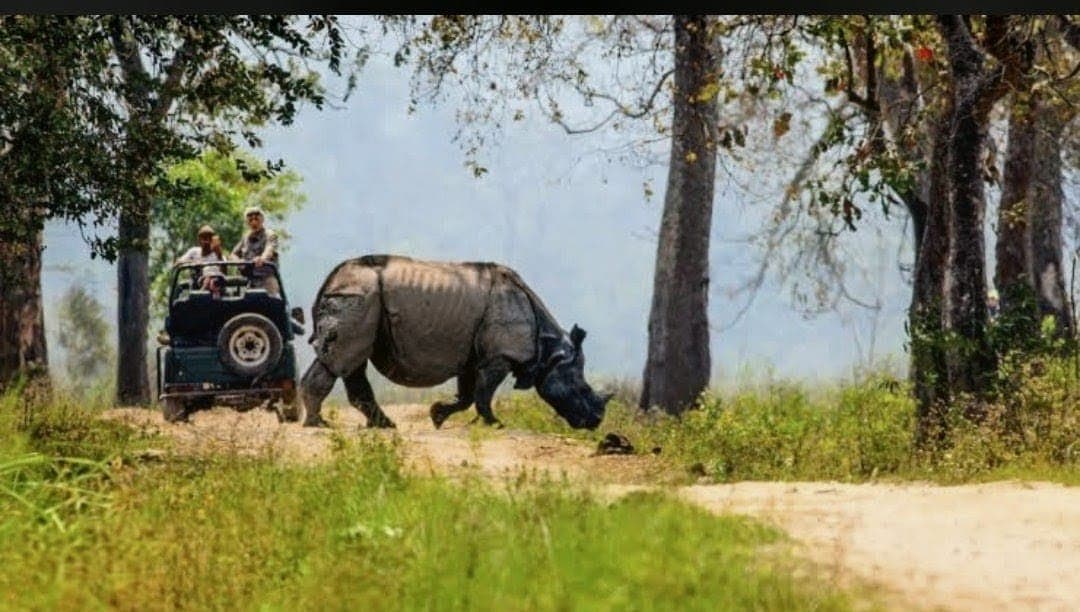
Kaziranga Jeep Safari Booking Price
| Safari Zones | Price for Indian | Price for Foreign Nationals | Duration |
|---|---|---|---|
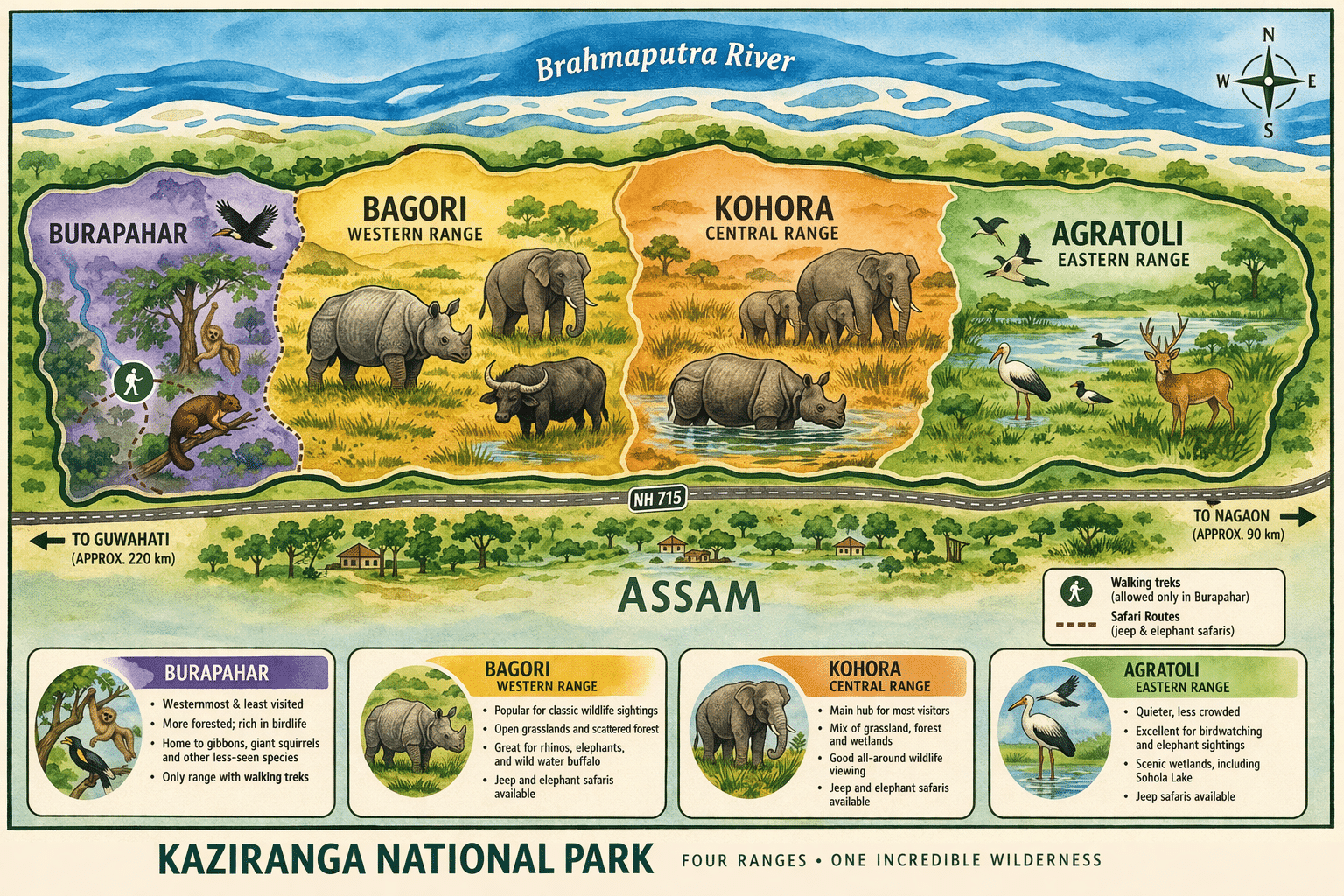
| Kohora (Central) Range | 4500 / Jeep | 8600 / Jeep | 2 hours |
| Bagori (Western) Range | 4500 / Jeep | 8600 / Jeep | 2 hours |
| Agaratoli (Eastern) Range | 5300 / Jeep | 10600 / Jeep | 2 hours |
| Burapahar Range | 5800 / Jeep | 11600 / Jeep | 2 hours |
| Note for Jeep Safari Ride | Note for Elephant Safari Ride |
|---|---|
| Please note that Jeep Safari is provided on a non-sharing basis and a maximum of 6 persons are allowed to travel in 1 jeep. Children below the age of 5 years are free and children above 5 years are treated as adults and a full seat is charged. | Elephant Safari seats are limited and subject to availability. Advance booking is strongly recommended, especially during the peak tourist season. |
| Jeep Safari timings may vary depending on the season, weather conditions, park regulations, and instructions issued by the Forest Department. Visitors should confirm the applicable reporting and safari timings before their scheduled visit. | Elephant safaris are generally conducted during the early morning hours and usually last approximately one hour. Safari timings may vary according to the schedule and instructions of the Forest Department. |
| Safari availability is subject to the issuance of permits, available safari slots, permitted zones, and the operational schedule determined by the concerned authorities. | Elephant Safari slot 5 AM to 6 AM or 6 AM to 7 AM is generally decided one day prior to your exact safari date and will be informed accordingly, subject to Forest Department procedures and availability. |
| Visitors should carry the valid original identification document used for the booking, wherever required. Identification may be checked during the safari entry or permit verification process. | Please carry the original identification document used at the time of booking. The document may be required for verification before entering the park or boarding the safari. |
| A Jeep Safari generally operates with a designated safari vehicle and driver, along with an authorized guide where required. Vehicle and guide allocation may be determined according to the procedures and availability of the concerned authorities. | Visitors must follow the instructions of the mahout, forest guide, and other authorized forest staff throughout the safari. |
| Safari vehicles must remain on the routes and areas designated by the park authorities. Visitors are required to follow the instructions of the authorized guide, driver, and forest officials. | Maintain silence and avoid sudden movements. Follow all instructions provided by the mahout, forest guide, and authorized forest personnel during the safari. |
| Visitors must not feed, approach, chase, call, provoke, or otherwise attempt to disturb wild animals. Wildlife should always be observed from a safe and respectful distance. | Do not feed, chase, attract, provoke, or otherwise disturb wildlife. Please observe animals from a safe and respectful distance and allow them to behave naturally. |
| Kaziranga is a natural wildlife habitat and animal movements cannot be predicted or controlled. No specific wildlife sighting can be guaranteed. Sightings depend on natural animal behaviour, season, weather, vegetation, and other environmental factors. | Wildlife sightings cannot be guaranteed. Animal sightings depend on animal movement, weather, vegetation, season, and natural behaviour. |
| Safari permits and available slots may be limited, particularly during peak tourist seasons, weekends, holidays, and other high-demand periods. Advance booking is recommended. | Advance booking is mandatory for confirmed Elephant / Jeep Safari bookings and strongly recommended because elephant safari seats are limited and subject to availability. |
| Visitors should arrive at the designated reporting point before the scheduled safari time and follow all instructions provided by the park authorities. | Elephant safaris begin early in the morning. Travellers should arrive at the designated reporting point well before the scheduled reporting time. Late arrival may result in difficulty accessing the safari. |
| Wear comfortable clothing suitable for an outdoor safari and follow all applicable park regulations regarding prohibited items and waste. | Early mornings in Kaziranga can be cool, particularly during winter. Wear comfortable clothing and consider carrying a light jacket or warm layer when required. |
| Visitors should avoid carrying unnecessary plastic and must not throw waste or litter inside the park. Please follow all applicable Forest Department and park regulations. | Avoid unnecessary plastic and do not throw waste or litter inside the park. Visitors are expected to help protect Kaziranga's natural environment. |
| Safari zones, entry points, timings, permitted routes, availability, and other regulations may be changed by the Forest Department or other competent authorities from time to time. | Safari timings, entry procedures, permitted routes, zones, availability, and other regulations may change according to the instructions of the Forest Department or other competent authorities. |
| A Jeep Safari is an opportunity to experience Kaziranga's wildlife in its natural environment. Please respect the park, follow official instructions, avoid disturbing wildlife, and help maintain the natural beauty of this protected area. | A visit to Kaziranga is not only about spotting wildlife but also about respecting a protected natural environment. Please cooperate with forest officials, respect wildlife, and follow all park rules. |
Almost after many decades of efforts and experiments, Kaziranga National Park has become a well-known example of the success of wildlife conservation. As a outcome of sustained conservation endeavor, the estimated number of rhinoceros has significantly increased from just 40 in 1911 to more than 2400 in the year 2018 according to the census which was jointly conducted by the forest department of the Government of Assam and some recognized wildlife NGOs. The sad part of the story are floods that occurs annually which is spread over Nagoan, Golaghat and Sonitpur districts of Assam and covers an area of little more than a thousand square kilometers (482 square kilometers of core zone and 548 square kilometers of buffer zone).
26+
Years Experiences
3.6+
Yearly Customers
46+
Visitors daily
56+
Awards & honors

Introduction & History of Kaziranga
Introduction to Kaziranga National Park
Kaziranga National Park is one of India's most iconic wildlife destinations and a globally recognized conservation success story. Located in the floodplains of the mighty Brahmaputra River in Assam, the park spans across the districts of Nagaon, Golaghat, Sonitpur, Biswanath, and Karbi Anglong, covering an area of over 1,000 square kilometers.
The park is characterized by vast stretches of tall elephant grass, tropical forests, marshlands, and numerous rivers and water bodies that create an ideal habitat for a remarkable variety of wildlife.
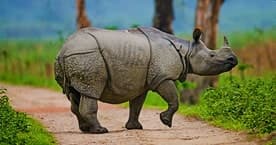
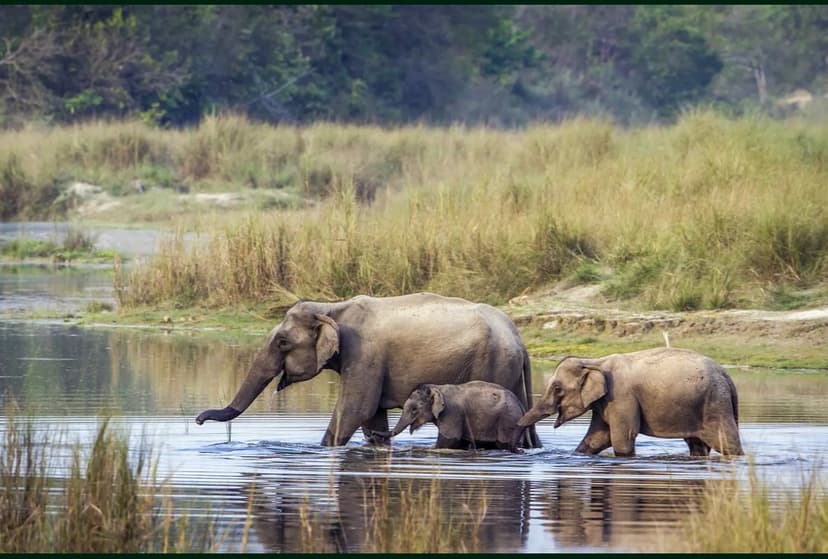
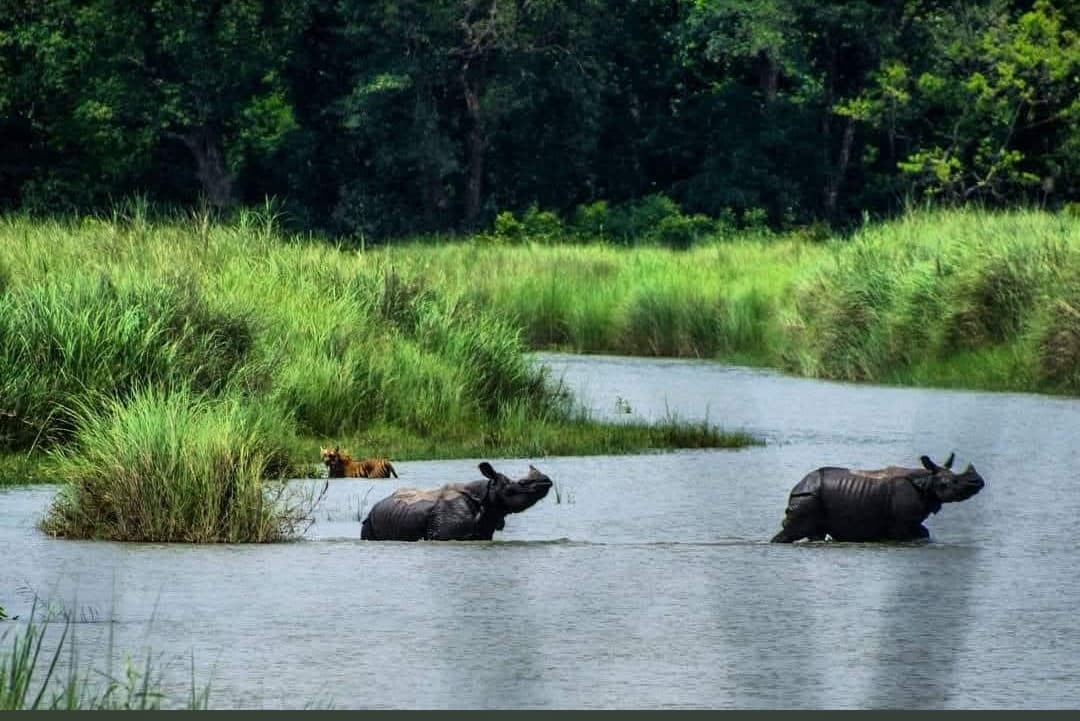
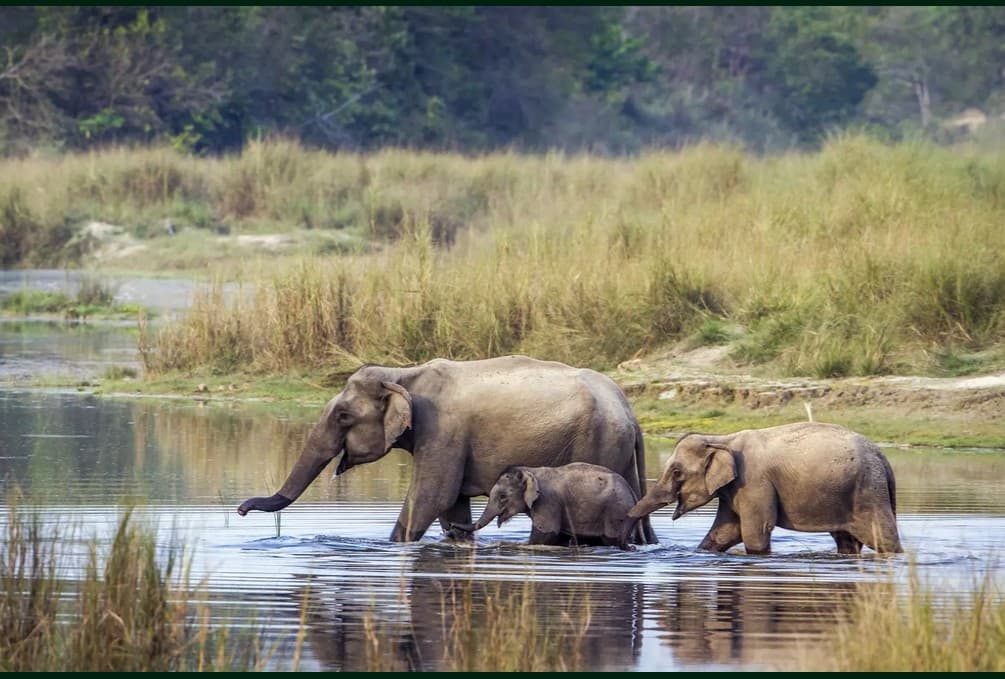
Kaziranga is world-famous for conserving the largest population of the Great One-Horned Rhinoceros. The park is also home to the Royal Bengal Tiger, Asiatic Elephant, Wild Water Buffalo, Eastern Swamp Deer, and hundreds of other wildlife species.
The name "Kaziranga" is believed to have originated from the Karbi language, where "Kazi" means Goat or Deer and "Rangai" means Red.
History of Kaziranga National Park
The history of Kaziranga National Park is closely linked with India's wildlife conservation movement. Conservation efforts began in 1905 when the area was proposed for protection to safeguard the rapidly declining population of the Indian One-Horned Rhinoceros.
Major Milestones in Kaziranga's History
- 1908 – Declared a Reserve Forest.
- 1916 – Designated as a Game Sanctuary.
- 1950 – Renamed as a Wildlife Sanctuary.
- 1974 – Officially declared a National Park.
- 1985 – UNESCO World Heritage Site.
- 2006 – Declared a Tiger Reserve.
Today, Kaziranga National Park stands as one of the world's most successful wildlife conservation areas and one of Asia's premier wildlife tourism destinations.
Frequently Asked Questions
Everything you need to know before planning your Kaziranga safari.